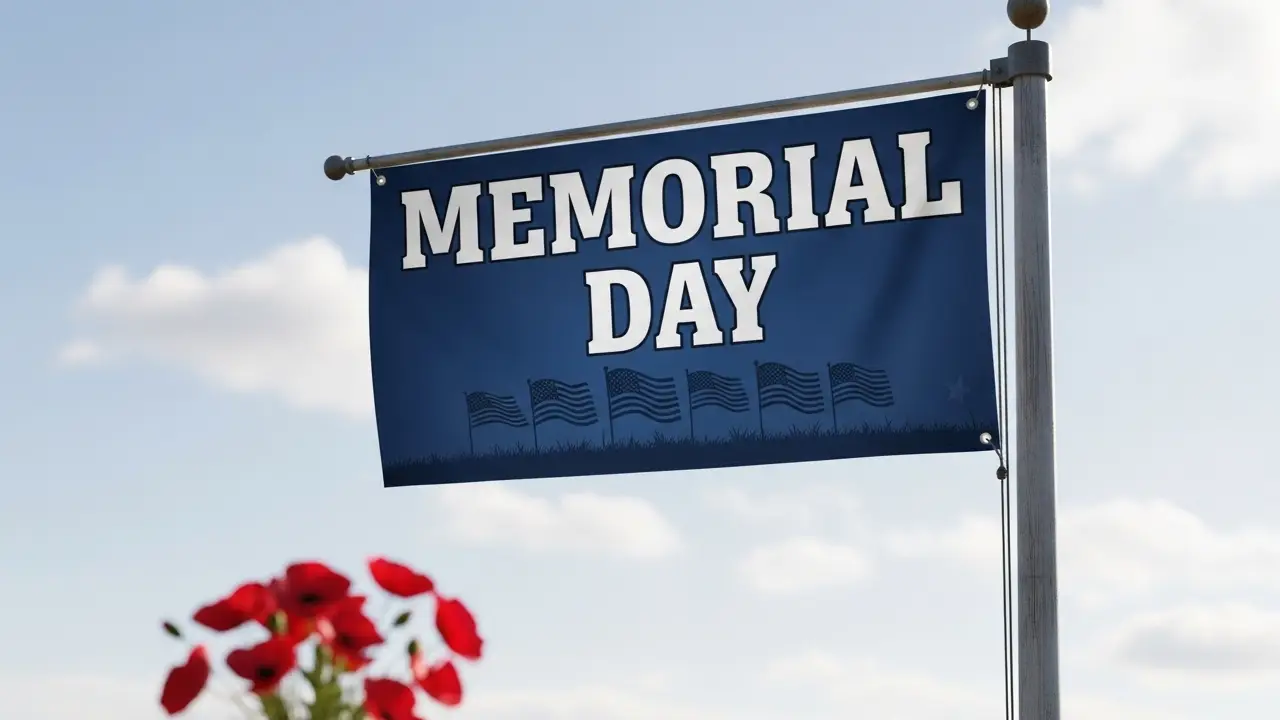
Memorial Day is one of the most significant national observances in the United States. It is a day dedicated to honoring and remembering the brave men and women who sacrificed their lives while serving in the U.S. military. Observed on the last Monday of May each year, this day holds deep historical, emotional, and cultural importance.
While many people associate Memorial Day with the start of summer, barbecues, and travel, its true meaning goes far beyond celebrations. Understanding its origins and significance helps individuals pay proper respect to those who gave their lives in service to the nation.
What Is Memorial Day and Why Is It Observed?
Memorial Day is a federal holiday in the United States that honors fallen military personnel. Unlike Veterans Day, which celebrates all who have served, Memorial Day specifically commemorates those who died in active duty.

This solemn day provides an opportunity for citizens to reflect on the cost of freedom. Families visit cemeteries, participate in remembrance ceremonies, and observe moments of silence to honor the fallen heroes who made the ultimate sacrifice.
History of Memorial Day
The origins of Memorial Day date back to the aftermath of the American Civil War. Initially known as Decoration Day, it began as a way to honor soldiers who died during the war by decorating their graves with flowers.
In 1868, General John A. Logan, leader of a Union veterans’ organization, officially declared May 30 as Decoration Day. Over time, the observance expanded to include all U.S. military personnel who died in any war. In 1971, Memorial Day was officially recognized as a federal holiday and moved to the last Monday of May to create a three-day weekend.
Importance of Memorial Day in Modern Times
In today’s fast-paced world, the deeper meaning of Memorial Day can sometimes be overlooked. However, it remains a powerful reminder of the sacrifices made by military personnel.
It encourages reflection, gratitude, and national unity. Schools, organizations, and communities often use this day to educate younger generations about history, patriotism, and the value of service.
Common Memorial Day Traditions
Several traditions are associated with Memorial Day, each carrying symbolic meaning and respect for those who have passed away.
Visiting Cemeteries: Families and individuals visit gravesites to place flowers and flags.
National Moment of Remembrance: Observed at 3:00 PM local time across the U.S.
Parades: Many towns organize Memorial Day parades featuring veterans and military groups.
Flag Etiquette: The U.S. flag is flown at half-staff until noon.
Community Events: Gatherings, speeches, and ceremonies to honor fallen soldiers.
Memorial Day vs Veterans Day: Understanding the Difference
Many people confuse Memorial Day with Veterans Day, but they serve different purposes. Memorial Day is dedicated to honoring those who died in service, while Veterans Day celebrates all military personnel, both living and deceased.
Recognizing this distinction helps ensure that each day is observed with the appropriate respect and meaning.
How People Celebrate Memorial Day
While the day is rooted in remembrance, many Americans also celebrate it as the unofficial start of summer. Activities often include family gatherings, picnics, and outdoor events.
However, it is important to balance celebration with remembrance. Taking a moment to reflect on the true purpose of the holiday adds depth and respect to the day.
Memorial Day and Its Cultural Impact
Memorial Day has a significant cultural influence in the United States. It shapes national identity by reinforcing values such as sacrifice, bravery, and patriotism.

Media, educational institutions, and public campaigns often highlight stories of fallen soldiers, helping to keep their memories alive and inspiring future generations.
Memorial Day Travel and Economic Impact
The long weekend associated with Memorial Day leads to increased travel and economic activity. Many families plan vacations, road trips, or outdoor adventures during this time.
Retailers also offer seasonal sales, contributing to economic growth. Despite its commercial aspects, the day’s core purpose remains rooted in honoring military sacrifice.
Memorial Day Safety and Responsible Observance
With increased travel and outdoor activities, safety becomes an important consideration during Memorial Day. Authorities often emphasize safe driving, responsible behavior, and adherence to local guidelines.
Respectful observance includes attending remembrance events, supporting veterans’ families, and learning about the history behind the holiday.
Memorial Day 2026: Key Information
| Feature | Details |
|---|---|
| Holiday Name | Memorial Day |
| Date (2026) | May 25, 2026 |
| Observed In | United States |
| Purpose | Honor fallen military personnel |
| Traditions | Parades, ceremonies, cemetery visits |
| Significance | National remembrance and reflection |
Why Memorial Day Still Matters Today
Even in modern times, Memorial Day remains deeply relevant. It serves as a reminder of the sacrifices that protect freedoms and maintain national security.
By observing this day with respect and understanding, individuals contribute to preserving the legacy of those who gave their lives for their country.
FAQs About Memorial Day
1. What is the main purpose of Memorial Day?
Memorial Day honors U.S. military personnel who died while serving in the armed forces.
2. When is Memorial Day celebrated?
It is observed on the last Monday of May each year.
3. Why is it called Decoration Day?
The original name came from the practice of decorating soldiers’ graves with flowers.
4. How is Memorial Day different from Veterans Day?
Memorial Day honors fallen soldiers, while Veterans Day recognizes all military veterans.
5. How can I respectfully observe Memorial Day?
You can attend ceremonies, visit memorial sites, observe a moment of silence, and learn about its history.