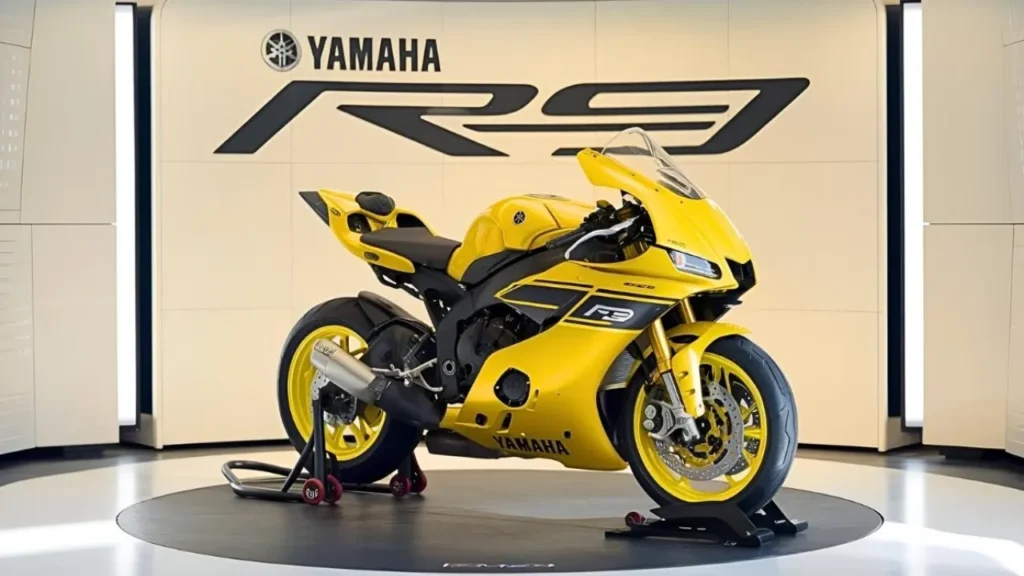
Most supersport motorcycles look incredible on paper, but spend an hour in city traffic or on a bumpy backroad, and you’ll start questioning your life choices. Extreme riding positions, twitchy throttles, and engines that only wake up above 10,000 rpm can turn a dream bike into a sore-backed nightmare.
That’s exactly why the 2026 Yamaha R9 feels like such a breath of fresh air. Yamaha didn’t just bolt on aggressive fairings and call it a day. Instead, they’ve built a motorcycle that actually respects the fact that most of us ride on real streets, not racetracks. And yet, the R9 hasn’t lost an ounce of that R-Series DNA we’ve all come to admire.
So, what makes this new middleweight supersport so special? Let’s break it down—no fluff, just the good stuff.

A Quick Look Back: Why the R9 Matters for Yamaha’s Lineup
For years, Yamaha’s R-Series has been the gold standard for riders who want race-bred performance. The Yamaha R1 is a legendary liter-class beast, and the Yamaha R6 (RIP in many markets) was the undisputed king of the 600cc class. But between those two extremes, there’s always been a gap—a space for a bike that’s seriously fast but not intimidating, agile but not punishing.
Enter the 2026 Yamaha R9. It’s not trying to beat the R1 on horsepower. It’s not trying to revive the R6’s screaming top end. Instead, it’s carving its own lane: a balanced, real-world supersport that you can commute on, carve canyons with, and actually enjoy without needing a chiropractor afterward.
Heart of the Matter: The Three-Cylinder Engine
Pop the fairings off, and you’ll find a refined three-cylinder engine borrowed from Yamaha’s proven middleweight platform. If you’ve ridden any of Yamaha’s CP3-powered bikes, you already know the magic here.
What’s so great about a triple? Simple: it gives you the best of both worlds.
- Low-end torque like a twin, so you’re not constantly downshifting in traffic.
- Top-end rush like a four-cylinder, so it still feels exciting when you open the throttle.
Yamaha has tuned the R9’s power delivery to be linear and predictable. That means no sudden spikes that catch you off guard. Roll on the gas coming out of a corner, and the rear tire hooks up smoothly. Need to pass a slow-moving truck on a two-lane highway? A quick twist is all it takes.
Honestly, this engine character is what makes the R9 feel so approachable yet thrilling. You don’t need to ride it like you hate it to have fun.
Looks That Cut Through the Wind (and Traffic)
Let’s talk styling, because Yamaha clearly spent some late nights in the design studio. The 2026 Yamaha R9 wears sharp, aggressive fairings that wouldn’t look out of place in a MotoGP paddock. The front profile is dominated by a sleek LED headlight system that gives the bike a mean, focused stare.
But here’s where it gets smart: those striking lines aren’t just for Instagram likes. The aerodynamic fairings actually reduce wind resistance and improve stability at highway speeds. You’ll notice less buffeting on your helmet during long rides. The sculpted fuel tank also lets you grip better with your knees when things get twisty.
Little details like the integrated turn signals and the compact tail section make the R9 look clean and modern. It’s a bike you’ll keep looking back at after you park it.
Electronics That Help Without Getting in the Way
I’ll admit it—some modern rider aids feel like a helicopter parent. But Yamaha got the balance right on the R9. The full-color TFT display is crisp and easy to read, even under bright sun. You can toggle through ride modes, traction control settings, and other info without fumbling through endless menus.
The riding modes actually make a noticeable difference. Want relaxed throttle response for rainy commutes? No problem. Feeling sporty on a Sunday morning? Dial it up and feel the bike sharpen its reflexes.
Other electronic goodies include:
- Ride-by-wire throttle for silky-smooth power delivery.
- Quick-shifter (up and down) for clutchless shifts that feel amazing.
- Adjustable traction control that keeps you safe without being intrusive.
These systems work quietly in the background. You won’t feel them constantly interfering—you’ll just notice that the bike behaves exactly how you want it to.
Chassis and Suspension: Confidence on Every Road
A great engine is nothing without a confidence-inspiring chassis. The R9’s frame is designed to be rigid enough for precise cornering but with just enough flex to absorb road imperfections. Translation: you get sharp steering without feeling every single crack in the pavement.
The suspension setup is tuned for versatility. It’s firm enough to keep the bike planted during aggressive cornering, yet compliant enough that your spine won’t hate you after an hour of riding on crappy city roads. Lightweight components also mean the R9 changes direction quickly—almost telepathically.
Whether you’re threading through downtown traffic or leaning into a sweeper on a mountain pass, the R9 feels stable, responsive, and predictable. That’s the kind of handling that builds rider confidence fast.
Surprisingly Comfortable for a Supersport
Here’s where the R9 really surprised me. Supersport ergonomics usually mean your wrists are screaming by mile 50. But Yamaha dialed back the extremeness. The riding position is sporty but not punishing. Your torso leans forward just enough to feel connected to the front wheel, but your weight isn’t entirely on your hands.
The seat is well-padded and shaped to keep you from sliding forward under braking. Vibration damping is excellent—no numb fingers after a long ride. And Yamaha paid attention to heat management, so your inner thighs won’t feel like they’re cooking in stop-and-go traffic.
All of this means you can actually use the R9 for daily commuting and weekend touring, not just posing at coffee shops. What a concept, right?
Who Is the Yamaha R9 Really For?
If you’re an experienced rider coming from a 400cc or 650cc sport bike, the R9 is a natural and exciting upgrade. It’s faster and sharper without being terrifying. If you’re a seasoned enthusiast tired of liter-bikes that feel like overkill on public roads, the R9 might be your sweet spot.
It also appeals to riders who want premium features—quick-shifter, TFT display, ride modes—without stepping up to the insurance and maintenance costs of a 200hp superbike. Yamaha has positioned the R9 as a premium yet practical choice in the middleweight class.
Direct competitors? Think along the lines of the Triumph Street Triple RS or Aprilia RS 660. But the R9 holds its own with Yamaha’s legendary reliability and a dealer network that’s hard to beat.
Final Verdict: A Supersport for the Real World
The 2026 Yamaha R9 isn’t trying to win a spec-sheet war. It’s not chasing the highest horsepower number or the lowest quarter-mile time. Instead, Yamaha built a motorcycle that respects how most of us actually ride: a mix of commuting, weekend fun, and the occasional twisty road adventure.
You get a torque-rich triple engine, smart electronics, aggressive yet functional styling, and comfort that won’t leave you broken after a long day. It’s a supersport that finally admits—riding should be fun, not a workout.
If you’ve been waiting for a bike that blends performance, usability, and modern tech without any glaring compromises, the R9 deserves a spot on your shortlist. Yamaha has done something genuinely smart here. And honestly? It’s about time.
Disclaimer: This article is for informational and entertainment purposes only. Specifications, features, availability, and pricing of the 2026 Yamaha R9 may vary by country or region and are subject to change by the manufacturer. Always verify details with an authorized Yamaha dealer before making any purchasing decisions. Ride safe and wear proper gear.