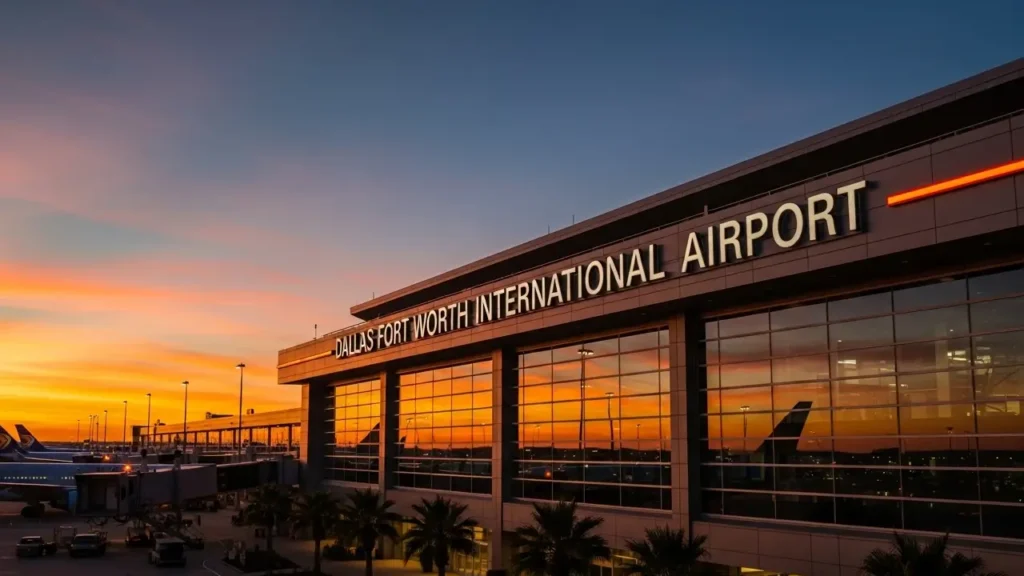
Dallas Fort Worth International Airport is one of the busiest and most important aviation hubs in the world. Located between Dallas and Fort Worth in Texas, this airport plays a crucial role in connecting domestic and international travelers. Whether you are planning a trip, connecting flights, or simply exploring airport facilities, understanding how this major airport works can make your journey smoother and more efficient.
This detailed guide covers everything from terminals and services to transportation, helping travelers make informed decisions before arriving at the airport.
Overview of Dallas Fort Worth International Airport
Dallas Fort Worth International Airport (DFW) spans over 17,000 acres, making it one of the largest airports by land area in the United States. It serves millions of passengers annually and connects to hundreds of destinations worldwide.

The airport is known for its efficient design, advanced technology, and passenger-friendly services. It also serves as a major hub for several airlines, offering both domestic and international connectivity.
Terminals and Layout Explained
DFW Airport has five main terminals: A, B, C, D, and E. Each terminal is designed to handle specific airlines and routes, making navigation easier for passengers.
Terminal D is dedicated primarily to international flights, while the other terminals handle domestic routes. The airport’s Skylink train system connects all terminals, allowing passengers to move quickly between gates without leaving the secure area.
Transportation Options at DFW Airport
Dallas Fort Worth International Airport offers a wide range of transportation options to suit different travel needs. Whether you prefer public transit, taxis, or rental cars, getting to and from the airport is convenient.
Passengers can use airport shuttles, ride-sharing services, or the DART rail system. Rental car services are also available with a dedicated rental car center connected by shuttle buses.
Facilities and Passenger Services
DFW Airport provides a wide variety of amenities to ensure a comfortable travel experience. These include free Wi-Fi, charging stations, lounges, and family-friendly facilities.
Travelers can also enjoy spas, business centers, and relaxation areas. Accessibility services are available for passengers with special needs, ensuring an inclusive environment for everyone.
Dining and Shopping Experience
The airport offers a diverse range of dining options, from fast food to full-service restaurants. Travelers can explore both local Texas flavors and international cuisines.
Shopping options include duty-free stores, luxury brands, and convenience shops. Whether you need travel essentials or last-minute gifts, DFW has plenty of options available.
Security and Check-In Process
Security at Dallas Fort Worth International Airport is designed to be efficient while maintaining high safety standards. Multiple checkpoints help reduce wait times, especially during peak travel hours.
Passengers are advised to arrive at least two hours before domestic flights and three hours before international departures. Online check-in and mobile boarding passes can further speed up the process.
Parking Options at DFW Airport
DFW offers several parking choices, including terminal parking, express parking, and remote parking. Each option varies in price and convenience.

Terminal parking is closest to the gates, while remote parking offers a more affordable alternative with shuttle services. Valet parking is also available for travelers seeking maximum convenience.
Sustainability and Innovation
Dallas Fort Worth International Airport is recognized for its commitment to sustainability. The airport has implemented various green initiatives, including energy-efficient systems and reduced carbon emissions.
Advanced technologies such as automated systems and smart infrastructure help improve efficiency while minimizing environmental impact.
Tips for Travelers Using DFW Airport
Planning ahead can significantly improve your experience at DFW Airport. Always check your terminal and gate information before arriving to avoid confusion.
Using the Skylink train system can save time when transferring between terminals. Additionally, downloading the airport’s official app can provide real-time updates on flights, parking, and services.
Dallas Fort Worth International Airport
| Feature | Details |
|---|---|
| Location | Between Dallas and Fort Worth, Texas, USA |
| Airport Code | DFW |
| Total Area | Approximately 17,000 acres |
| Number of Terminals | 5 (A, B, C, D, E) |
| Annual Passenger Traffic | Over 70 million passengers |
| Major Airlines Hub | American Airlines |
| Runways | 7 Runways |
| Transportation Options | DART Rail, taxis, shuttles, rental cars |
| Parking Facilities | Terminal, Express, Remote, Valet |
Frequently Asked Questions (FAQs)
1. How early should I arrive at Dallas Fort Worth International Airport?
It is recommended to arrive at least two hours before domestic flights and three hours before international flights.
2. How many terminals are at DFW Airport?
There are five terminals: A, B, C, D, and E, each serving different airlines and routes.
3. Is there a train between terminals at DFW?
Yes, the Skylink train connects all terminals quickly and operates within the secure area.
4. What transportation options are available from DFW Airport?
Travelers can use taxis, ride-sharing services, DART rail, airport shuttles, and rental cars.
5. Does DFW Airport offer free Wi-Fi?
Yes, free Wi-Fi is available throughout the airport for all passengers.
Final Thoughts
Dallas Fort Worth International Airport stands out as a major global travel hub with modern facilities, efficient services, and extensive connectivity. Its well-planned infrastructure and wide range of amenities make it a preferred choice for both domestic and international travelers.
By understanding its layout, services, and transportation options, passengers can enjoy a smoother and more organized travel experience. Whether you are flying for business or leisure, DFW Airport offers everything needed for a comfortable journey.