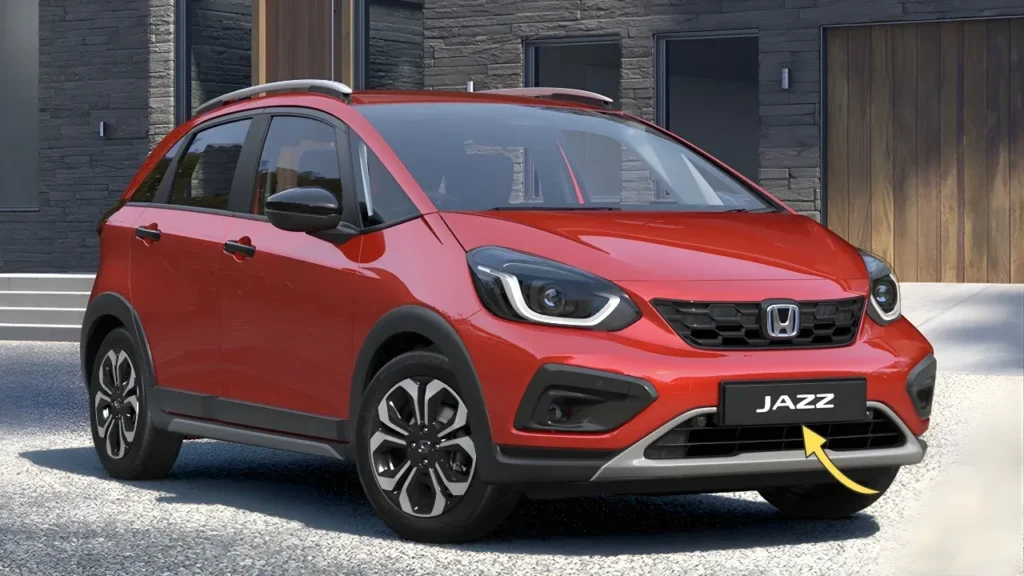
It’s 2026, and the automotive world has moved on. New cars come packed with giant screens, turbochargers, and connectivity features that feel like smartphones on wheels. Yet, quietly, a car that left showrooms years ago continues to win hearts. We’re talking about the Honda Jazz.
Officially discontinued in India back in late 2023, the Jazz never really “went away.” Instead, it found a second life in the pre-owned market. And surprisingly, its demand has only grown stronger. What is it about this little hatchback that makes people choose a used Jazz over a brand-new car? Let’s break it down.
The Discontinuation That Backfired (In a Good Way)
When Honda decided to pull the plug on the Jazz in December 2023, it was part of a strategic shift toward sedans and SUVs like the Honda Amaze and Honda Elevate. On paper, it made sense. But in reality, it left a gap in the premium hatchback space.
And that gap? It actually boosted the Jazz’s resale value. Fast forward to early 2026, and a well-kept 2020–2023 Jazz can cost you anywhere between ₹7.5 lakh and ₹9.5 lakh, depending on the variant, mileage, and service records. That’s almost what some new hatchbacks cost today. Yet buyers are happily paying it.
Why? Because they know the Jazz offers something most new cars don’t: honest, no-nonsense quality.
The Engine: Small but Reliable
Pop the hood, and you’ll find Honda’s trusty 1.2-litre i-VTEC petrol engine. It’s a naturally aspirated four-cylinder unit that produces 89 bhp and 110 Nm of torque. Numbers don’t sound exciting, do they? But here’s the thing – it’s not about raw power. It’s about how the power feels.
The Jazz delivers smooth, linear acceleration. It doesn’t jerk you around in traffic. It doesn’t scream for attention on the highway. It just… works. You get two transmission options: a five-speed manual and a CVT automatic. The CVT is especially popular among city drivers because it makes stop-and-go traffic feel almost relaxing.
Unlike those tiny turbocharged engines that feel great for a week and then start acting fussy, the Jazz’s motor is built to last. It’s refined, predictable, and easy to live with every single day.
Magic Seats: The Party Trick That Still Works
Okay, let’s talk about the feature that makes the Jazz truly special: the Magic Seats. Even in 2026, very few cars in this segment offer anything like it.
Here’s how it works. The rear seats can be folded completely flat. Or, you can flip the seat cushions up – kind of like cinema seats – to create a tall cargo area. Need to carry a potted plant, a bicycle, or your music band’s equipment? No problem. With the seats folded, you get up to 891 litres of usable space.
I’ve personally seen owners haul everything from office furniture to camping gear inside a Jazz. That kind of flexibility is rare in a sub-four-meter hatchback. And it’s a big reason why families, freelancers, and young professionals still hunt for used Jazz models today.
Interior Comfort That Feels Timeless
Step inside a Jazz, and the first thing you’ll notice is how airy and open it feels. Large windows, a low dashboard, and clever packaging make the cabin feel much bigger than it actually is. You don’t get that cramped, claustrophobic feeling you find in some modern hatchbacks.
Higher variants come with a 7-inch touchscreen that supports Android Auto and Apple CarPlay. Sure, it’s not a 12-inch floating tablet. But it works smoothly, and the six-speaker audio system sounds genuinely good.
Other thoughtful features include:
- Automatic climate control with rear AC vents
- Push-button start and keyless entry
- Leather-wrapped steering wheel
- Electrically adjustable and foldable ORVMs
Is it the most gadget-packed cabin in 2026? No. But does it have everything you actually need for a comfortable daily drive? Absolutely.
Safety: Where Honda Never Compromised
If there’s one area where the Jazz still outshines many new budget cars, it’s safety. Honda equipped the Jazz with six airbags, ABS with EBD, vehicle stability assist, and hill-start assist. Even by 2026 standards, that’s a solid safety kit.
You also get a rear parking camera with guidelines, a tyre pressure monitoring system, and LED projector headlamps on higher trims. The car’s stable handling and predictable brakes give you confidence, whether you’re navigating narrow lanes or cruising on the expressway.
For a used car buyer who prioritizes family safety, the Jazz remains a reassuring choice. No cutting corners here.
Which Variant to Pick in 2026?
If you’re browsing the pre-owned market, you’ll mostly find V and ZX variants. Here’s a quick breakdown:
- V Manual: Best value for money. Gets alloy wheels, touchscreen, and most essential features. Ideal if you enjoy driving stick.
- ZX CVT: Perfect for city commuters who want convenience. Includes Honda’s LaneWatch camera, additional comfort features, and the smooth CVT gearbox.
Ownership costs are surprisingly reasonable. Average annual maintenance runs around ₹7,000, depending on usage and where you service it. Honda’s service network is still widespread, and parts remain available. So no nasty surprises there.
How Does the Jazz Compare to New Hatchbacks?
Let’s be honest – new hatchbacks in 2026 look sharper. They have larger screens, flashier lights, and often come with turbo-petrol engines that feel punchy off the line. But here’s where the Jazz wins: ride comfort and practicality.
The Jazz’s suspension is beautifully damped. It absorbs potholes and rough patches without crashing into the cabin. Cabin insulation is better than many modern rivals, so highway drives are quieter and less tiring.
While new cars chase trends, the Jazz chases fundamentals: comfort, space, reliability, and safety. And for a lot of buyers, that trade-off makes perfect sense.
Final Verdict: A Smart Buy in 2026?
Yes – but with a small caveat. The Honda Jazz isn’t for everyone. If you want the latest touchscreen gimmicks or the most aggressive styling, look elsewhere. But if you value long-term dependability, clever interior space, and a refined driving experience, the Jazz is hard to beat.
Its strong resale value, loyal fan base, and practical design have kept it relevant years after discontinuation. In a used car market full of uncertainties, the Jazz feels like a safe, sensible, and genuinely enjoyable choice.
So, if you come across a well-maintained 2020–2023 Honda Jazz, don’t dismiss it just because it’s “old.” Sometimes, the best cars are the ones that never tried too hard to impress – they just worked, day after day.