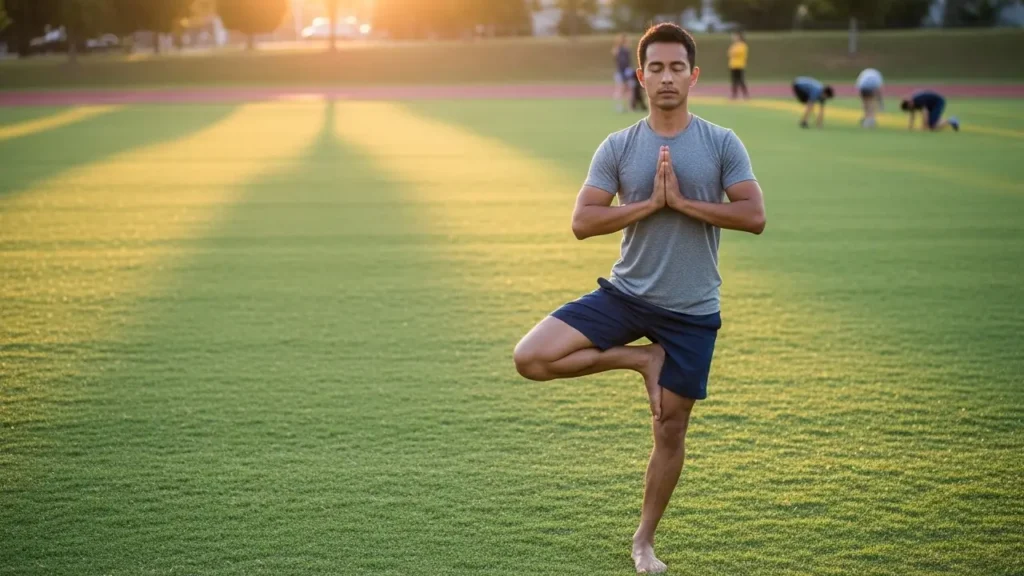
Physical education and yoga have become increasingly important in today’s fast-paced world, where sedentary lifestyles and stress levels are rising rapidly. Schools, universities, and health experts now emphasize the need for combining both physical activity and mental wellness practices to achieve a balanced life.
This article explores the importance, benefits, differences, and practical applications of physical education and yoga, helping readers understand how integrating both can lead to long-term health, improved productivity, and better overall well-being.
What is Physical Education?
Physical education refers to structured physical activities and exercises designed to improve physical fitness, motor skills, strength, and endurance. It is commonly taught in schools as part of the curriculum to promote active lifestyles among students.

The goal of physical education is not only to improve physical health but also to develop teamwork, discipline, leadership, and confidence. Activities such as running, sports, games, and strength training are common components of physical education programs.
What is Yoga?
Yoga is an ancient practice that focuses on harmonizing the body, mind, and spirit through physical postures, breathing techniques, and meditation. Unlike traditional exercise, yoga emphasizes mindfulness and inner balance.
Yoga is suitable for people of all ages and fitness levels. It helps in reducing stress, improving flexibility, enhancing concentration, and promoting emotional stability, making it an ideal complement to physical education.
Importance of Physical Education and Yoga in Daily Life
Incorporating physical education and yoga into daily routines offers numerous advantages. Physical education helps maintain a healthy body, while yoga ensures mental peace and emotional stability.
In modern life, where people often face work pressure, lack of movement, and digital overload, combining both practices creates a balanced approach to health. This combination improves not just physical strength but also mental clarity and resilience.
Key Benefits of Physical Education
Physical education plays a vital role in maintaining overall fitness. Regular participation in physical activities helps improve cardiovascular health, muscle strength, and coordination.
It also reduces the risk of chronic diseases such as obesity, diabetes, and heart conditions. Additionally, physical education encourages discipline, teamwork, and social interaction, which are essential life skills.
Major Benefits of Yoga
Yoga offers a wide range of mental and physical benefits. It improves flexibility, posture, and breathing patterns, while also calming the mind and reducing anxiety.
Practicing yoga regularly can enhance focus, promote better sleep, and help individuals manage stress effectively. It also supports emotional well-being and helps develop a positive outlook on life.
Difference Between Physical Education and Yoga
Although both aim to improve health, physical education and yoga differ in their approach and focus. Physical education emphasizes physical performance, strength, and endurance through dynamic activities.
Yoga, on the other hand, focuses on inner peace, flexibility, and controlled movements combined with breathing and meditation techniques. While physical education is more activity-based, yoga is more mindful and introspective.
Why Schools Should Include Physical Education and Yoga
Educational institutions play a crucial role in shaping healthy habits. Including physical education and yoga in school curriculums helps students develop both physical fitness and mental strength from an early age.
Students who participate in these activities tend to perform better academically, as they experience improved concentration and reduced stress. It also encourages a healthy lifestyle that continues into adulthood.
How Physical Education and Yoga Work Together
When combined, physical education and yoga provide a holistic approach to health. Physical education strengthens the body, while yoga relaxes the mind and improves flexibility.
This combination ensures that individuals not only stay physically active but also maintain emotional balance. Together, they enhance overall performance, reduce fatigue, and support long-term well-being.
Daily Routine: Combining Physical Education and Yoga
A balanced daily routine can include both physical exercise and yoga. For example, starting the day with light stretching and yoga can improve flexibility and mental clarity.
Later, engaging in sports or physical activities helps build strength and stamina. Ending the day with relaxation techniques or meditation can reduce stress and improve sleep quality.

Role in Mental Health Improvement
Physical education and yoga play a significant role in improving mental health. Physical activity releases endorphins, which help boost mood and reduce feelings of depression.
Yoga complements this by promoting mindfulness and relaxation, helping individuals manage anxiety and emotional stress effectively. Together, they create a strong foundation for mental well-being.
Impact on Children and Teenagers
For young individuals, physical education and yoga are essential for growth and development. They help improve physical fitness, coordination, and social skills.
Yoga also enhances concentration and emotional control, which are crucial during academic years. This combination supports both academic success and personal development.
Benefits for Adults and Working Professionals
Adults often struggle with sedentary lifestyles and stress. Incorporating physical education and yoga into daily routines helps combat these challenges.
Regular exercise boosts energy levels, while yoga reduces stress and improves mental clarity. This leads to better productivity, improved work performance, and a healthier lifestyle.
Common Challenges and How to Overcome Them
Many people find it difficult to maintain consistency in practicing physical education and yoga. Common challenges include lack of time, motivation, or proper guidance.
Setting realistic goals, following a structured routine, and seeking professional guidance can help overcome these obstacles. Even short daily sessions can make a significant difference.
Tips for Beginners
For those new to physical education and yoga, it is important to start slowly and gradually increase intensity. Beginners should focus on basic exercises and simple yoga poses.
Consistency is more important than intensity. Practicing regularly, even for a short duration, helps build a sustainable habit and ensures long-term benefits.
Physical Education vs Yoga
| Aspect | Physical Education | Yoga |
|---|---|---|
| Focus | Physical fitness and strength | Mental balance and flexibility |
| Activities | Sports, running, exercises | Postures, breathing, meditation |
| Intensity | High and dynamic | Moderate and controlled |
| Benefits | Strength, endurance, coordination | Relaxation, flexibility, focus |
| Best For | Physical fitness goals | Stress relief and mindfulness |
Conclusion
Physical education and yoga are not just activities but essential components of a healthy lifestyle. While physical education builds strength and endurance, yoga nurtures mental peace and emotional stability.
By integrating both into daily life, individuals can achieve a balanced approach to health that supports long-term well-being, productivity, and happiness. Adopting these practices early ensures a healthier future for individuals and communities alike.
FAQs
1. What is the main difference between physical education and yoga?
Physical education focuses on physical fitness and sports activities, while yoga emphasizes mental relaxation, flexibility, and mindfulness.
2. Can yoga replace physical education?
Yoga can complement physical education but cannot fully replace it, as both serve different purposes in maintaining overall health.
3. How often should one practice physical education and yoga?
It is recommended to engage in physical activity daily and practice yoga at least 3–5 times a week for optimal benefits.
4. Are physical education and yoga suitable for all age groups?
Yes, both can be adapted for different age groups and fitness levels, making them accessible to everyone.
5. What are the long-term benefits of combining physical education and yoga?
The combination improves physical strength, mental clarity, emotional stability, and reduces the risk of lifestyle-related diseases.


Hi, I’m Arsam, the author and creator of MTPHA.I have a strong interest in smartphone technology and the automotive industry, and I enjoy exploring new innovations, features, and trends in these fields. Through this website, I share my knowledge, research, and personal insights to help readers stay informed and up to date.