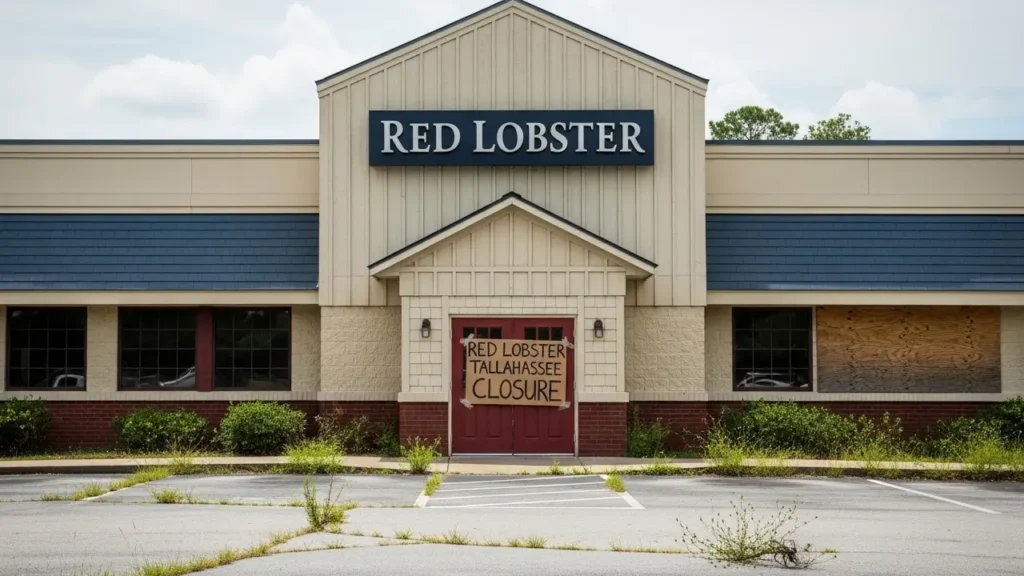
The recent Red Lobster Tallahassee closure has drawn significant attention from local residents, seafood lovers, and industry observers alike. As one of the most recognizable casual dining seafood chains in the United States, Red Lobster has long been a go-to spot for families and individuals seeking affordable seafood meals in a comfortable setting. The closure of its Tallahassee location raises questions about broader industry trends, economic pressures, and what the future holds for similar establishments.
In this article, we explore the reasons behind the closure, its impact on the community, and what diners can expect moving forward.
Why Did Red Lobster Tallahassee Close?
The Red Lobster Tallahassee closure is not an isolated incident but part of a larger pattern affecting several locations across the country. One of the primary reasons behind the closure is the ongoing financial strain faced by the restaurant chain. Rising operational costs, including food prices, labor expenses, and rent, have made it increasingly difficult for many casual dining restaurants to maintain profitability.

Additionally, changing consumer habits have played a role. Many diners now prefer fast-casual options, food delivery services, or home-cooked meals, which has reduced foot traffic in traditional dine-in establishments. Economic uncertainty has also encouraged people to cut back on dining out, further impacting sales.
Impact on Local Employees and Community
The closure has had a direct impact on employees who relied on the restaurant for their livelihoods. Job losses are always a concern when a major establishment shuts down, and the Red Lobster Tallahassee closure is no exception. Workers now face the challenge of finding new employment in a competitive job market.
For the local community, the restaurant was more than just a place to eat. It served as a gathering spot for celebrations, family dinners, and social events. Its absence leaves a noticeable gap in the dining landscape of Tallahassee.
Industry Trends Behind Restaurant Closures
The closure highlights broader trends within the restaurant industry. Many established chains are struggling to adapt to modern consumer expectations. Digital ordering, delivery apps, and changing dietary preferences have reshaped how people interact with food services.
Another important factor is the rising cost of seafood itself. As supply chain disruptions and environmental factors affect seafood availability, restaurants specializing in seafood face additional financial pressure. This has contributed to closures like the Red Lobster Tallahassee closure and others across the country.
What This Means for Red Lobster as a Brand
Despite the closure of several locations, Red Lobster as a brand continues to operate in many parts of the country. However, these closures suggest a need for strategic adjustments. The company may focus on restructuring, optimizing its menu, and enhancing digital services to remain competitive.
The Red Lobster Tallahassee closure may also signal a shift toward fewer but more efficient locations. By concentrating resources on high-performing outlets, the company can potentially stabilize its operations and adapt to changing market conditions.
Customer Reactions and Public Response
The response from customers has been mixed, with many expressing disappointment over the closure. Long-time patrons have shared memories of dining experiences, highlighting the restaurant’s role in the community. Social media discussions show that the closure has resonated with both loyal customers and casual diners.

At the same time, some customers acknowledge the challenges faced by the restaurant industry and understand the reasons behind the decision. The Red Lobster Tallahassee closure has become a talking point about the evolving nature of dining habits.
Future of Dining in Tallahassee
While the closure marks the end of an era, it also opens opportunities for new businesses to enter the market. Tallahassee’s dining scene continues to evolve, with new restaurants and concepts emerging to meet changing consumer demands.
Local entrepreneurs and restaurant owners may see this as a chance to introduce innovative dining experiences. Whether through modern seafood concepts, fusion cuisine, or fast-casual formats, the city is likely to adapt and grow despite the loss of established chains like Red Lobster.
Will Red Lobster Return to Tallahassee?
As of now, there is no official confirmation regarding a return following the Red Lobster Tallahassee closure. However, businesses often reassess markets based on demand and economic conditions. If the company finds a viable opportunity in the future, a return cannot be completely ruled out.
For now, customers will need to explore alternative seafood options in the area or visit nearby locations if available.
What Alternatives Are Available for Seafood Lovers?
Despite the closure, seafood lovers in Tallahassee still have several options to choose from. Local seafood restaurants, independent eateries, and regional chains continue to serve a variety of dishes. Supporting these businesses can help strengthen the local economy while offering diverse dining experiences.
The Red Lobster Tallahassee closure may encourage diners to explore new places and discover unique flavors that differ from traditional chain offerings.
Key Details About the Closure
| Category | Details |
|---|---|
| Location | Tallahassee, Florida |
| Restaurant Type | Casual Dining Seafood Chain |
| Closure Reason | Financial challenges, rising costs, changing consumer habits |
| Impact | Job losses and reduced dining options |
| Future Outlook | Potential restructuring and adaptation by the brand |
Conclusion
The Red Lobster Tallahassee closure reflects broader challenges within the restaurant industry, including economic pressures and shifting consumer preferences. While the closure is disappointing for many, it also highlights the importance of adaptability in a rapidly changing market.
As Tallahassee continues to evolve, new opportunities will emerge, ensuring that the city’s dining scene remains vibrant and diverse. For now, the closure serves as a reminder of how even well-known brands must continuously adapt to survive.