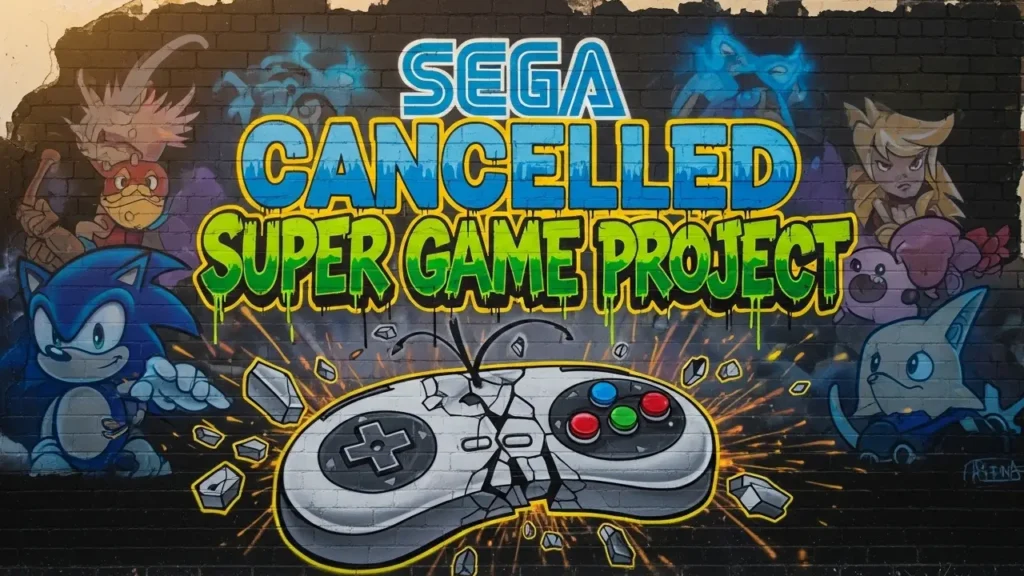
The gaming industry has been buzzing with discussions after reports surfaced about the Sega cancelled Super Game project. Sega, one of the most iconic names in gaming, had ambitious plans under its “Super Game” initiative. This project was expected to reshape the company’s future and compete with large-scale global titles. However, recent developments indicate that parts of this vision have been scaled back or cancelled.
This article explores what the Super Game project was, why Sega made this decision, and what it could mean for players and the broader gaming industry. The goal is to provide clear, factual, and helpful insights without speculation or exaggeration.
What Was Sega’s Super Game Project?
The Super Game project was introduced by Sega as a long-term strategy to create high-budget, globally appealing titles. These games were planned to go beyond traditional formats by including online connectivity, cross-platform experiences, and large-scale multiplayer ecosystems.

Sega aimed to develop multiple flagship titles under this initiative by combining advanced technology, strong storytelling, and global reach. The company also explored integration with cloud gaming, live services, and possibly blockchain-based features, though details were not always finalized.
Why Sega Cancelled the Super Game Project
The decision behind the Sega cancelled Super Game project appears to be driven by several business and strategic factors rather than a single issue. Like many companies in the gaming industry, Sega has been reassessing its investments in large-scale projects.
One major reason is likely the rising cost of AAA game development. Building large online ecosystems requires significant funding, long development cycles, and continuous updates. If early projections or internal evaluations show limited returns, companies often choose to redirect resources.
Another factor could be changing player preferences. While live-service and large-scale multiplayer games remain popular, not every project succeeds. Sega may have decided to focus on more reliable franchises and proven formats instead of taking high risks.
Impact on Sega’s Future Strategy
The cancellation of parts of the Super Game initiative does not mean Sega is stepping away from innovation. Instead, it suggests a shift toward a more balanced strategy. Sega continues to invest in well-known franchises such as Sonic, Persona, and Like a Dragon.
By reallocating resources, the company can focus on projects with stronger market demand and clearer development timelines. This approach may help maintain financial stability while still delivering high-quality gaming experiences.
How This Affects Gamers
For players, the Sega cancelled Super Game project may feel disappointing, especially for those who were expecting new large-scale online experiences. However, it can also lead to better outcomes in the long run.
Instead of spreading resources thin across multiple ambitious projects, Sega can now focus on delivering polished, complete games. This reduces the risk of unfinished releases or games that fail to meet expectations.
Gamers may also see more frequent updates and stronger support for existing franchises, which can improve overall satisfaction.
Industry-Wide Trend of Project Reassessment
Sega’s decision is not an isolated case. Across the gaming industry, several companies have scaled back or cancelled large projects due to increasing costs and market uncertainties. This trend reflects a shift toward sustainability rather than rapid expansion.
Developers are now more cautious about launching massive live-service games, especially after observing mixed results from similar projects. Instead, many studios are focusing on quality, player engagement, and long-term value.
Potential Future Projects from Sega
Although the Super Game initiative has faced setbacks, Sega still has a strong pipeline of upcoming titles. The company is likely to continue exploring new ideas but in a more controlled and focused manner.
Future projects may include enhanced single-player experiences, improved multiplayer modes within existing franchises, and selective experimentation with new technologies. This balanced approach allows Sega to remain competitive without taking unnecessary risks.
What Could Have Been: The Vision Behind Super Game
The original concept of the Super Game project was ambitious. Sega aimed to create interconnected gaming experiences that could evolve over time. These games were expected to feature dynamic worlds, large player communities, and continuous content updates.
While this vision may not fully materialize in its original form, elements of it could still appear in future projects. Developers often reuse concepts and technologies from cancelled projects in new titles.
Challenges of Large-Scale Game Development
The cancellation highlights the challenges involved in developing large-scale games. These projects require not only technical expertise but also careful planning, consistent funding, and strong market demand.
Even well-established companies like Sega must navigate risks such as development delays, changing player expectations, and competition from other major studios. These factors make it difficult to guarantee success for ambitious projects.
Overview of the Super Game Concept
| Feature | Details |
|---|---|
| Project Name | Super Game Initiative |
| Developer | Sega |
| Project Type | Large-scale AAA Games |
| Focus Areas | Online multiplayer, cross-platform play, global audience |
| Technology | Cloud integration, live services (planned) |
| Current Status | Partially cancelled or restructured |
Conclusion
The news about the Sega cancelled Super Game project reflects a broader shift in the gaming industry toward more sustainable development strategies. While the original vision was ambitious, the decision to scale back may ultimately benefit both the company and its players.
By focusing on quality, stability, and proven franchises, Sega can continue to deliver engaging gaming experiences. Although some ideas from the Super Game initiative may not come to life as planned, they could still influence future projects in meaningful ways.
FAQs
1. What was Sega’s Super Game project?
It was a long-term initiative aimed at creating large-scale, globally popular games with online and cross-platform features.
2. Why was the Super Game project cancelled?
The decision was likely due to high development costs, strategic changes, and shifting market conditions.
3. Does this mean Sega is stopping new game development?
No, Sega continues to develop new games and support its existing franchises.
4. Will any parts of the Super Game project be released?
Some ideas or technologies from the project may still appear in future titles.
5. How does this affect gamers?
Players may see more focused, polished games instead of large experimental projects.