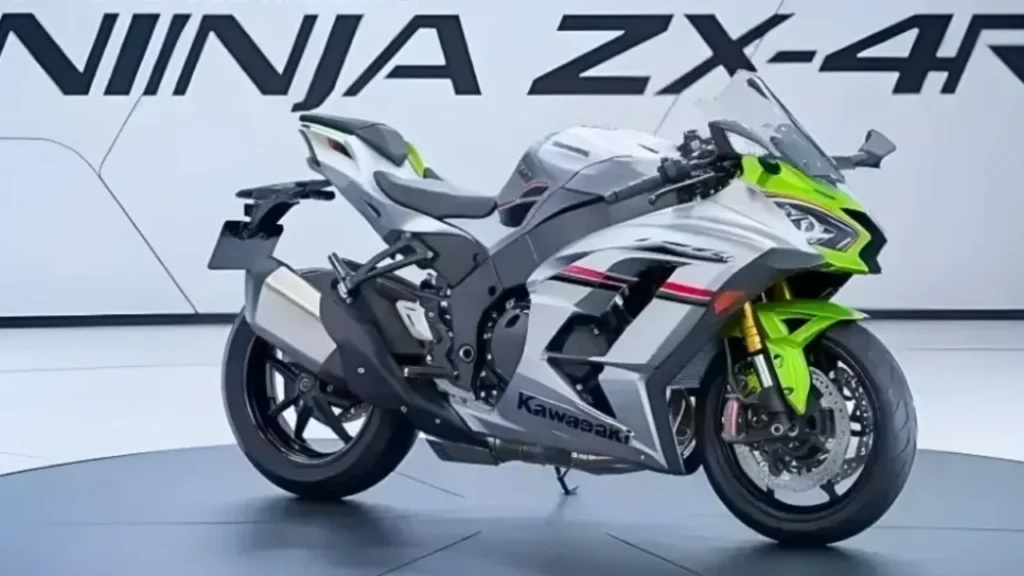
If you’ve been keeping an eye on the middleweight supersport scene, you’ve probably heard the buzz around the Kawasaki Ninja ZX-4R 2026. And honestly? It’s worth the hype. This bike just landed in global markets, and it’s already turning heads—not just because of those sharp looks, but because it actually delivers on the promise of real-world performance without the usual compromises.
Whether you’re commuting through city traffic, carving up back roads on a Sunday morning, or sneaking in a track day here and there, the ZX-4R seems built for riders who want more than just a pretty fairing. Let’s break down what makes this 2026 model special, and whether it might be the right upgrade for your garage.
Where Does the ZX-4R Fit in Today’s Sportbike World?
Kawasaki isn’t trying to reinvent the wheel here. Instead, the Ninja ZX-4R 2026 fills a sweet spot that many riders have been asking for: a lightweight, agile, and forgiving but exciting supersport that sits between beginner-friendly 400s and hardcore 600cc+ machines.
Think of it as the perfect stepping stone. Maybe you’ve been riding a 300cc or 400cc naked bike for a couple of years, and you’re craving more revs, better suspension, and that thrilling inline-four scream. Or perhaps you’re a seasoned rider who just wants a nimble, low-stress bike for crowded streets and tight corners. Either way, the ZX-4R speaks to both camps.
For 2026, Kawasaki focused on refinement over revolution. Sharper electronics, smoother throttle response, and a more planted feel at speed. No drastic changes—just thoughtful improvements that make a good bike even better.
The Heart of the Beast: High-Revving Four-Cylinder Engine
Let’s get straight to what matters most: that engine. While many competitors in the 400cc class use parallel-twins for cost and torque, Kawasaki stuck with a compact, high-revving four-cylinder. And wow, does it make a difference.
- Smooth power delivery – From a stoplight to highway merging, the throttle response is clean and predictable. No sudden jerks or dead spots.
- Top-end rush – Once the revs climb past 8,000 rpm, the bike transforms. That classic inline-four howl and surge is addictive.
- Usable low-end torque – You don’t have to wring its neck in traffic. The engineers tuned the mid-range so you can lug along at 4,000 rpm without stalling or complaining.
What does this mean for you? Less shifting in stop-and-go traffic, but a rewarding, energetic pull when you open the throttle on an open road. It’s a best-of-both-worlds setup that few bikes at this displacement offer.
Looks That Cut Through the Wind (and Traffic)
Kawasaki didn’t hold back on styling. The 2026 Ninja ZX-4R borrows heavily from its bigger siblings—the ZX-6R and ZX-10R. You get that sharp, aggressive front fascia, stacked LED headlights, and aerodynamic winglets (yes, real ones that actually help with high-speed stability).
The fuel tank is sculpted to let you tuck in easily, and the tail section is compact and race-inspired. Even the exhaust, while compliant with noise regulations, has a mean angular look. And the Lime Green color option? Instant head-turner.
But it’s not just about looking fast. The fairings and air intakes are designed to reduce drag and improve cooling. So that aggressive stance actually serves a purpose—keeping the engine happy during spirited rides.
Chassis and Handling: Light, Tight, and Ready to Dance
A lightweight supersport needs a stiff but forgiving chassis, and the ZX-4R delivers. The steel trellis frame (some markets get a different spec, but overall construction is top-notch) keeps weight down without flexing under hard cornering.
Suspension duty comes from a fully adjustable SFF-BP fork up front and a BFRC-lite rear shock on higher trims (the base model is still very capable). What does that mean in plain English? You can dial in preload, compression, and rebound to match your weight and riding style. Whether you’re a lighter rider or carrying a passenger, the bike stays balanced.
During sharp turns, the Ninja feels nimble and precise. It changes direction without hesitation, yet remains stable at highway speeds. I’ve ridden a few middleweights that get twitchy past 80 mph—not this one. The ZX-4R tracks straight and confident.
Stopping Power and Safety Tech You Can Trust
Going fast is fun. Stopping safely is non-negotiable. The 2026 model comes with dual 290mm front discs gripped by radial-mount calipers. The bite is strong but not grabby, with excellent feedback through the lever.
You also get Kawasaki’s advanced ABS (which can be turned off on track if you prefer). Add in traction control with multiple modes (Rain, Road, Sport) and selectable power modes, and you have a bike that adapts to conditions.

- Rain mode – Mellow throttle response and early traction control intervention. Perfect for wet commutes.
- Sport mode – Full power, minimal TC. Lets you slide the rear slightly if you’re experienced.
- Manual TC adjustment – Choose between 5 levels or switch it off completely.
These systems don’t feel intrusive. They’re there when you need them, but they never make the bike feel sterile. That’s a hard balance to strike, and Kawasaki got it right.
Digital Dash and Smartphone Connectivity
The full-color TFT display on the 2026 ZX-4R is bright, crisp, and easy to read—even under direct sunlight. You get all the essentials: speed, tachometer, gear position, fuel gauge, coolant temp, and selected riding modes.
But the cool part? Bluetooth connectivity via Kawasaki’s Rideology app. You can log your routes, check vehicle telemetry, and even adjust some settings from your phone. It’s not as fancy as some European bike’s carplay-style systems, but it’s simple and reliable—which is exactly what you want when you’re geared up and ready to ride.
I appreciate that Kawasaki kept the interface intuitive. No digging through menus at a stoplight. Two buttons, a toggle switch, and you’re done.
Surprisingly Comfortable for a Supersport
Let’s be real: most supersport bikes destroy your wrists and back after an hour. The Ninja ZX-4R 2026 is a pleasant exception. The clip-on handlebars are moderately high, and the footpegs are positioned for a sporty but not extreme crouch.
The seat is well-padded and shaped to keep you from sliding forward under braking. Even at 5’10”, I felt no unusual strain on long two-hour rides. Taller riders might want to check fitment, but for most people, this is a bike you could daily without pain.
Vibration is well-damped thanks to rubber-mounted engine stays. And the wind protection—thanks to that aggressive fairing—keeps your chest and helmet relatively calm at 70 mph.
Who Is This Bike Really For?
After spending time with the specs and real-world feedback, here’s my take: The Kawasaki Ninja ZX-4R 2026 is for riders who want supersport excitement without the high-running costs and aggressive ergonomics of a 600cc+ machine.
- Newer riders moving up from a 300-400cc twin will find the power manageable but thrilling.
- Experienced riders looking for a lightweight track toy or a fun second bike will love the revvy engine and sharp handling.
- Commuting riders who want something sporty but comfortable will appreciate the ergonomics and electronic aids.
It’s not a tourer, and it’s not a pure race replica. But it’s one of the most versatile middleweight sportbikes you can buy today.
Final Thoughts: Should You Put Down a Deposit?
If you’ve been waiting for a modern, high-revving, lightweight supersport that doesn’t punish you in traffic, the 2026 ZX-4R is hard to beat. Competitors like the Honda CBR500R and Yamaha R3 are great bikes, but they don’t offer that inline-four character or the level of adjustability in suspension and electronics.
Yes, it costs a bit more than a parallel-twin alternative. But you’re paying for engineering, sound, and that glorious top-end rush. For many riders, that’s worth every penny.
Just remember: specs and availability vary by region. Always check with your local Kawasaki dealer for the most current details, especially regarding emissions compliance and pricing in your area.
Disclaimer
Disclaimer: The information in this article is based on publicly available sources and pre-release data about the Kawasaki Ninja ZX-4R 2026. Features, specifications, and availability may change by region or through official Kawasaki updates. Always consult an authorized Kawasaki dealer or official manufacturer channels before making any purchase decisions. Ride safe and obey local traffic laws.